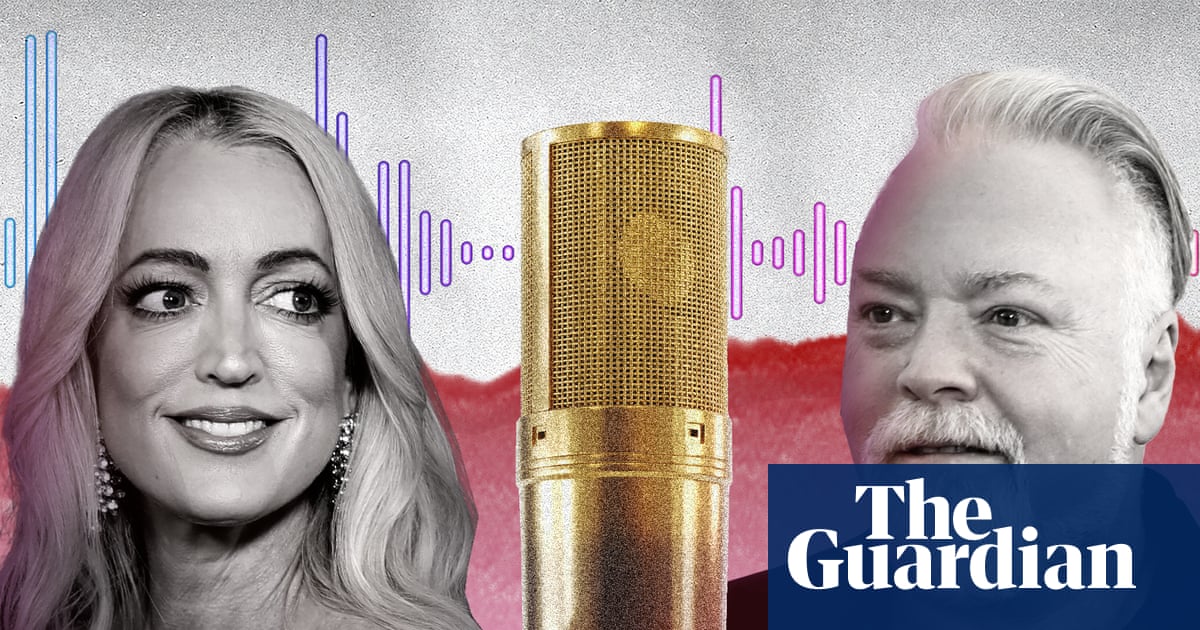
Kyle & Jackie O: When Shock Stunts Cross the Line
For decades, Kyle Sandilands and Jackie 'O' Henderson have dominated Australian airwaves, building an empire on candid, often outrageous, and undeniably attention-grabbing radio. Their brand of entertainment, while wildly successful in terms of ratings, has frequently pushed the boundaries of public taste and ethical broadcasting, leading to intense scrutiny and significant backlash. These Kyle & Jackie O tactics, designed to shock and engage, have undeniably defined their careers, but at what cost?
The "Lie Detector" Incident: A Catastrophic Misjudgment of Trust
One of the most infamous examples of Kyle & Jackie O's boundary-pushing came in a harrowing live-on-air segment that quickly spiraled into a national scandal. During a "lie detector" style game on 2DAY FM, a 14-year-old girl was put on the spot by her mother, answering intimate questions live for thousands of listeners. The premise itself, involving a vulnerable teenager and a device often associated with truth-telling (even if just for comedic effect), was already fraught with potential risks.
The situation escalated dramatically when the mother asked, "Have you ever had sex?" The girl's hesitant, pained response – "I’ve already told you the story about this… and don’t look at me and smile because it’s not funny" – was a clear signal of distress. What followed was a moment that stunned the nation: the girl blurted out, "Oh OK… I got raped when I was 12 years old."
The silence that followed was palpable, broken only by Kyle Sandilands' ill-fated follow-up question, "Right… is that the only experience you’ve had?" It was Jackie O who ultimately recognized the severity of the situation, swiftly apologizing and aborting the segment, immediately offering counselling for the traumatized girl. 2DayFM’s general manager, Jenny Parkes, issued a statement acknowledging their lack of prior knowledge about the incident and reinforcing the offer of support.
This incident wasn't merely a stunt gone wrong; it was a profound failure of duty of care, highlighting the immense responsibility broadcasters hold when inviting the public into their live arena. The girl had reportedly expressed fear before the segment began, underscoring the critical need for robust pre-screening processes and psychological support when dealing with sensitive content and vulnerable participants. Such events serve as a stark reminder of the ethical tightrope walked by shock jocks and the potential for irreversible harm when entertainment supersedes empathy. This tragic misstep remains a benchmark example of the extreme consequences inherent in some Kyle & Jackie O tactics.
"Boobs for Mum": Objectification or Empowerment?
Years later, the duo, now at KIIS 106.5, found themselves embroiled in another controversy, albeit one less catastrophic, yet equally polarizing: the "Boobs For You And Your Mum" Mother's Day competition. Listeners were invited to submit photos with their mothers, their mum’s bra size, and explain why she deserved a "chest upgrade." The prize? $24,000 in cash, ostensibly for cosmetic surgery.
The reaction was, predictably, mixed. Critics argued the promotion was shallow and detrimental, particularly in an era striving for body positivity and celebrating women's achievements beyond physical appearance. "What happened to teaching our young women about being confident and proud of who we are?" one commenter questioned. This perspective views such contests as reinforcing societal pressures and commercializing an occasion meant for genuine appreciation.
Conversely, many listeners saw it as a dream come true, with some expressing that it would "change their lives forever" or be "the biggest gift" they could give their mothers. Interestingly, some comments alluded to breast reductions rather than augmentations, highlighting the diverse motivations people have for considering such procedures.
Australian Radio Network (ARN) clarified that the prize was purely cash, giving winners full discretion on its use, an important distinction from directly offering surgery. While the competition could be seen as empowering individuals to make personal choices about their bodies, it undeniably sparked a debate about the ethics of using cosmetic surgery as a prize, especially on a platform as influential as Kyle & Jackie O's show. These K&JO's controversies reflect a recurring theme: their readiness to tap into public desires and insecurities, regardless of the ethical discussions they ignite.
Unpacking the Kyle & Jackie O Tactics: Why the Controversy Persists
The enduring popularity of Kyle & Jackie O, despite (or perhaps because of) their contentious methods, speaks volumes about the landscape of modern media and audience psychology. Their success lies in their ability to generate buzz, dominate headlines, and consistently deliver content that evokes strong reactions. These Kyle & Jackie O tactics are a deliberate strategy, aiming to keep them relevant in a saturated media market.
Key elements of their approach include:
- Shock Value: Pushing the envelope to grab attention and generate water-cooler talk. This often involves controversial competitions, provocative interviews, or candid discussions on taboo subjects.
- Relatability (for some): Despite their often outlandish antics, they cultivate a sense of authenticity and directness that resonates with a segment of the audience. They are not afraid to be seen as imperfect or politically incorrect.
- Audience Engagement: Relying heavily on listener interaction, including competitions, call-ins, and social media engagement, which makes listeners feel part of the show's narrative, even if it's controversial.
- Boundary Testing: Operating on the very edge of what is acceptable, constantly testing the limits of broadcast regulations and public tolerance. This creates an unpredictable, exciting atmosphere for their fans.
However, this strategy comes with significant risks. The "lie detector" incident is a chilling reminder of how quickly these tactics can backfire, leading to severe reputational damage, regulatory investigations by bodies like ACMA (the Australian Communications and Media Authority), and, most importantly, causing real harm to individuals. The long-term impact on the participants and the public trust in media cannot be understated.
Navigating the Ethical Minefield: Lessons for Media & Listeners
The recurring controversies surrounding Kyle & Jackie O offer crucial lessons for both broadcasters and their audience in navigating the complex ethical terrain of live media. While entertainment is a key function of radio, it must always be balanced with a fundamental duty of care and respect for participants.
For Broadcasters:
- Robust Pre-screening and Consent: Implement rigorous processes to ensure all participants, particularly vulnerable individuals, fully understand the nature of the segment and provide informed consent. This includes assessing psychological suitability.
- Clear Ethical Guidelines: Establish and enforce explicit ethical standards that prioritize participant welfare over sensationalism. These guidelines should be known and adhered to by all production staff and on-air talent.
- Psychological Support: Have readily available, professional psychological support for participants involved in potentially sensitive or high-stress segments, regardless of whether an incident occurs.
- Instant Abort Protocols: Train on-air staff to recognize and immediately shut down segments that veer into harmful territory, with clear protocols for follow-up and assistance.
- ACMA Compliance: Stay abreast of and strictly adhere to all regulatory requirements set forth by ACMA, which monitors broadcast content for breaches of codes of practice.
For Listeners:
- Critical Consumption: Be aware of the tactics used by media personalities to generate engagement. Understand that live radio can be unscripted and unpredictable, carrying inherent risks.
- The Power of Feedback: Utilize official channels to provide feedback or lodge complaints if you believe ethical boundaries have been crossed. Audience pressure can significantly influence media practices.
- Support Ethical Media: Actively seek out and support media outlets that prioritize ethical journalism and respectful entertainment, encouraging a more responsible media landscape.
The sagas of Kyle & Jackie O are a powerful case study in the fine line between edgy entertainment and ethical breaches. Their Kyle & Jackie O tactics have carved out a dominant position in Australian radio, yet they continually spark debate about the responsibilities that come with such influence. As media evolves, the conversation about where the line should be drawn remains more pertinent than ever.